
News & InsightsPanelist Spotlight
Headache, Sleep, and the Long View: Dr. Warren Spinner on Neurology in Pain Care
Multi-board-certified and voted Best Neurologist on Long Island more than once, Dr. Warren Spinner works on the conditions that pain care most often files under something else.
Some pain is a message from an injured structure. Some pain is a problem with the messaging system itself.
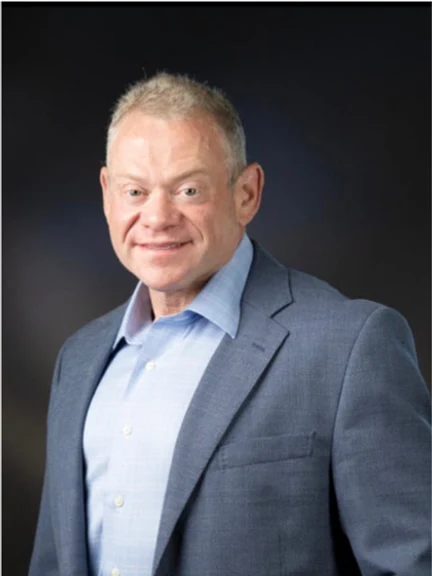
Neurology is the discipline that takes the second possibility seriously, and it is the reason the specialty belongs on a pain panel rather than adjacent to one. Dr. Warren D. Spinner, DO, is a multi-board-certified neurologist and the Medical Director of True North Neurology, which he founded in 2014. He trained at Stony Brook University Medical Center and later served on faculty there, teaching medical students, residents, and fellows.
Four areas that keep turning out to be the same conversation
His specialties are headache medicine, brain injury medicine, sleep disorders, and neurophysiology. On paper those look like four practices. In a pain clinic they behave like one.
Headache medicine is the clearest example of pain as a neurological condition in its own right rather than a symptom pointing elsewhere. It is also among the most commonly under-treated, partly because nearly everyone has had a headache and assumes they know what one is.
Brain injury medicine deals with the long tail after an injury, where headache, sleep disruption, and cognitive fatigue arrive together and are frequently treated separately by different clinicians.
Sleep disorders sit underneath a great deal of chronic pain. Poor sleep lowers pain tolerance, and pain wrecks sleep, and the loop closes quickly. A pain plan that never asks about sleep has left out a variable that affects everything else in it.
Neurophysiology is the measurement discipline underneath all of it, the study of how nerve and muscle are actually behaving rather than how they appear on an image.
Comprehensive, integrated care
Dr. Spinner is recognized for delivering comprehensive, integrated neurological care, and has been voted Best Neurologist on Long Island multiple times. He sees patients in Port Jefferson Station and Commack.
The faculty years are worth noting, because teaching changes how a clinician talks. Someone who has spent years explaining reasoning to residents and fellows tends to be good at making the reasoning visible, which is a useful trait on a panel whose entire premise is clinicians explaining their thinking to colleagues from other fields.
The specialty most likely to be brought in late
Neurology is often consulted after other explanations have been exhausted. That ordering makes sense when a structural cause is likely, and costs time when it is not, particularly for headache and post-injury patients who can spend a long while inside a workup aimed at the wrong question.
An interdisciplinary panel is a direct way to shorten that. When a neurologist, a neurosurgeon, a pain management specialist, a physiatrist, an orthopedic surgeon, a physical therapist, and a massage therapist describe the same presentation from their own vantage points, the differences in how each of them would triage it are the most useful thing in the room.
Connecting the DOTS
Dr. Spinner joins six other clinicians for Connecting the DOTS at The Piermont in Babylon on Thursday, September 10, 2026. The evening runs 5:00 PM to 9:00 PM with the panel from 7:15 PM to 8:15 PM. All ticket proceeds benefit the Curvy Girls Scoliosis Foundation.